With more than 200 projects executed since our inception, the UN Advisory Alliance is well-experienced across a wide range of comprehensive services. With our partners, we identify challenge areas and co-create projects to improve operational efficiency and align strategy with action.
See below for recent project updates from the UN Advisory Alliance.

World Food Programme
Country office transformation
Burkina Faso, Cameroon, Chad, Ethiopia, Mali, Niger, Somalia
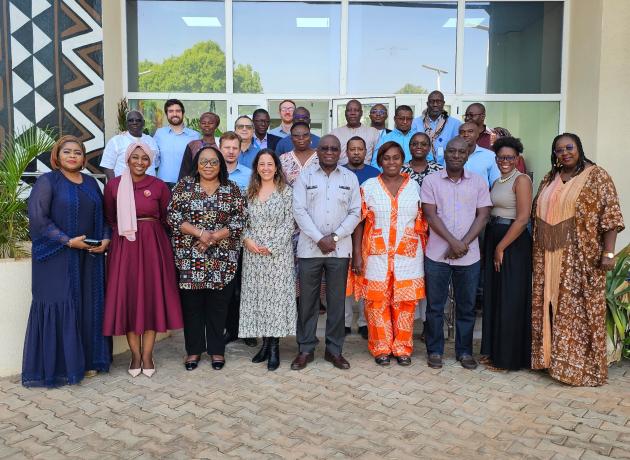
At the UN Advisory Alliance, we put country offices at the heart of our mission and support. During these transitional times, our team has closely collaborated with seven WFP Country Offices Ethiopia, Mali, Chad, Burkina Faso, Niger, Cameroon and Somalia to lead redesign and transformation initiatives aimed at enhancing operational effectiveness and efficiency. By tailoring our approach to each country office’s unique context, the team developed operational and financial recommendations, including a revised footprint for offices, fleet, guesthouses and warehouses, opportunities for cashable savings and process improvements. These efforts are designed to empower country office teams to deliver more efficient and agile assistance.


Unitaid, a hosted partnership of the World Health Organization (WHO)
Innovative finance strategy
The UN Advisory Alliance is supporting Unitaid, a hosted partnership of the World Health Organization (WHO), in designing and implementing innovative financing mechanisms to mobilize new resources and improve financial sustainability. By identifying fit-for-purpose solutions, such as outcome-based or blended finance models, and engaging key partners, the team aims to generate predictable revenue streams to support Unitaid’s global health efforts. Once implemented, these mechanisms will help Unitaid accelerate access to life-saving health products in low- and middle-income countries more efficiently and at a greater scale.

United Nations Executive office of the Secretary-General
UN global footprint analysis
As part of this analysis, the UN Advisory Alliance developed a comprehensive database and dashboard of UN global footprint by entity. The database leveraged public data from CEB and UN Info, as well as extensive desk research, to create the first global view of UN presence in UNCT and non-UNCT countries, including: size of presence at country level (in terms of expenditure and personnel), and type of presence (including country offices, regional offices, shared service centers, research and training centers, etc.). The database was designed to be used as a key input for ongoing UN-wide reviews (e.g. mandate implementation review, DCO country typology review) and was featured in the latest UN80 Shifting Paradigms: United to Deliver report.

UNESCO
Procurement strategy and change management
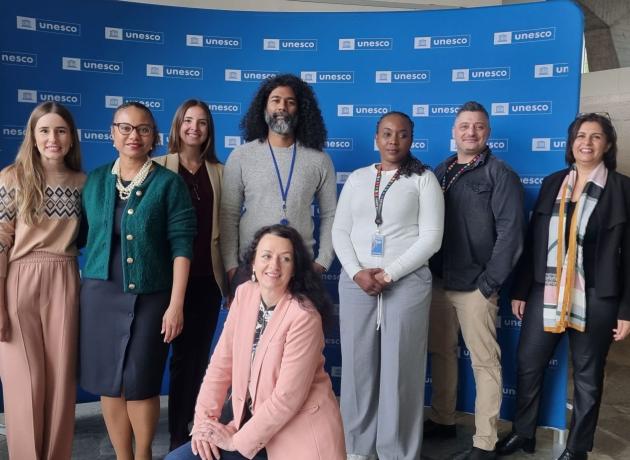
The UN Advisory Alliance is supporting the development of UNESCO’s new procurement strategy— an ambitious effort to enhance the organization’s procurement operating model and practices. Through strategic advisory, collaborative design and benchmarking, the team is advising UNESCO to develop a more agile, transparent and impact-oriented procurement function. This work not only strengthens operational excellence but also reinforces the organization’s ability to deliver on its mission.

United Nations Executive office of the Secretary-General
Report of the Secretary-General of the Mandate Implementation Review
The UN Advisory Alliance worked with the Executive Office of the Secretary-General to support the publication of the Secretary-General's report of the mandate implementation review as part of Workstream 2 of the UN80 initiative. Using data analytics, the team identified challenges across the mandate lifecycle: mandate creation, delivery, and review. The report aims to improve transparency and offer proposals for the consideration of Member States, with the goal of strengthening accountability and helping the organization operate more efficiently and effectively.
Clients who have trusted the UNAA